THE FUTURE OF E-LEARNING AND EDTECH

Decreasing the “Digital Divide”
The pandemic has brought considerable light to the problem of the "digital divide." Globally, there exists a large gap between those with reliable internet connectivity and those that don't. As services become increasingly digital, the divide in connectivity will only increase while access to necessary digital services decreases. For the most part, educational institutions have transitioned to online learning in the wake of the pandemic. And though E-learning had helped fill a valuable gap when in-person learning had become unsafe, many students have struggled over the past year in no small part due to the lack of a reliable internet connection. The future of e-learning hinges on the ability of students and educators to be correctly connected. E-learning's path forward requires the democratization of education, including making mobile educational services available to those most vulnerable in our society. It will also mean building the infrastructure necessary to support internet access for the general public, especially those in rural and urban areas with low internet connectivity or slow internet connections.
Privacy and E-learning

The future of E-learning will also be affected by our ability to ensure personal privacy and safety when using digital platforms. As it stands today, there is not much regulation on the data that E-learning platforms and learning management systems (LMS) are and are and are not allowed to keep. However, as we increasingly turn to digital services to supplement us in the interim of the pandemic and increasingly so permanently, there will be a need for legislation and policies to be created to ensure the data privacy and safety of these platforms' end-users.
AI and E-Learning
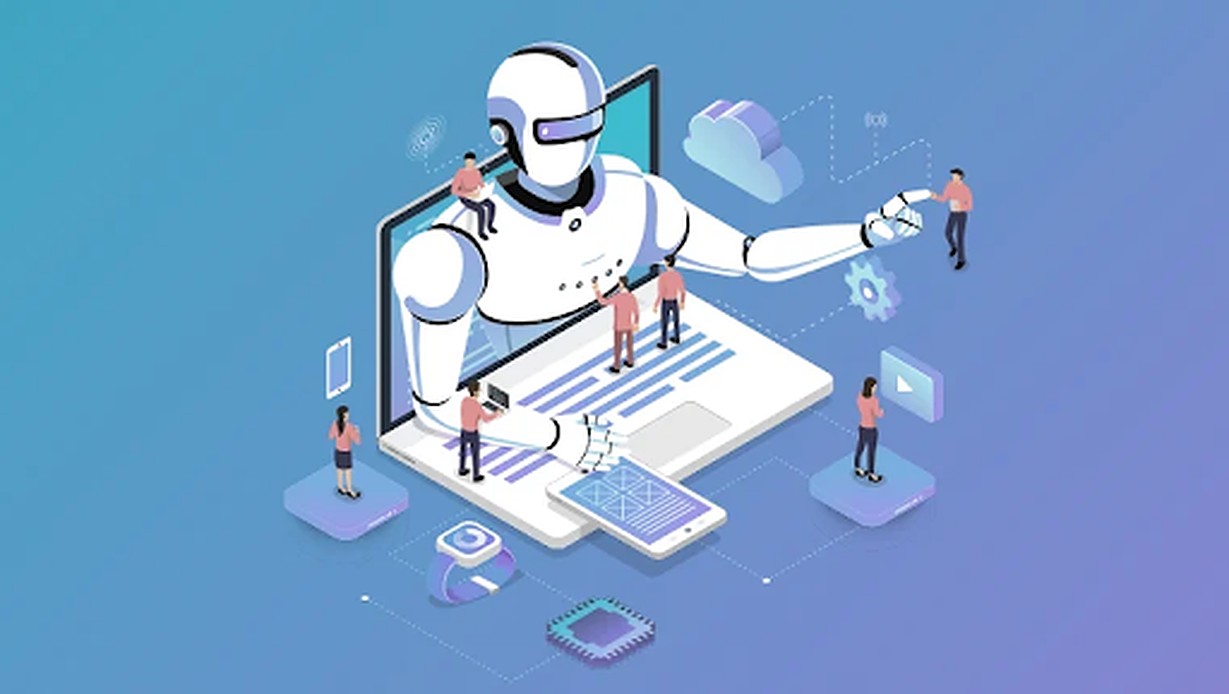
As Artificial Intelligence continues to become a more popular tool that can be practically applied in the digital space, it has become essential to delivering necessary services to administrators and end-users of LMS's. AI has made the learning environment much more accessible through AI-powered features like speech-to-text translation, automated subtitling of live speech, and virtual assistants. AI will also help personalize online learning by leveraging user data to help design coursework that fits users' unique learning styles and study habits. With an AI-backed LMS, courses can be created with digital content that is far more appealing and effective for learners. It can also help with the transition towards hybridized classes by allowing educators and students to stay connected in the classroom or online.
Maria is a writer at Enki Tech, a Downtown Santa Monica technology company that specializes in the development of high-quality, user friendly software, web platforms and mobile apps.
More Articles
English as Lingua Franca in Education
How Automatic Translators Improve Our Lives
Learning from AI
THE LIMITATIONS OF E-LEARNING COMPARED TO IN-PERSON LEARNING AND HOW TO OVERCOME THEM
PREDICTIVE TECHNOLOGY FOR E-LEARNING
HOW TO USE E-LEARNING AS A MARKETING TOOL
HOW TO NAVIGATE EDUCATION IN AN E-LEARNING ENVIRONMENT
E-LEARNING AND INCLUSION
The Role of Video Lectures in College Education
E-LEARNING AND EDTECH MARKET FORECAST